Category Archives: Services

Leak Test (Vacuum Box Testing)

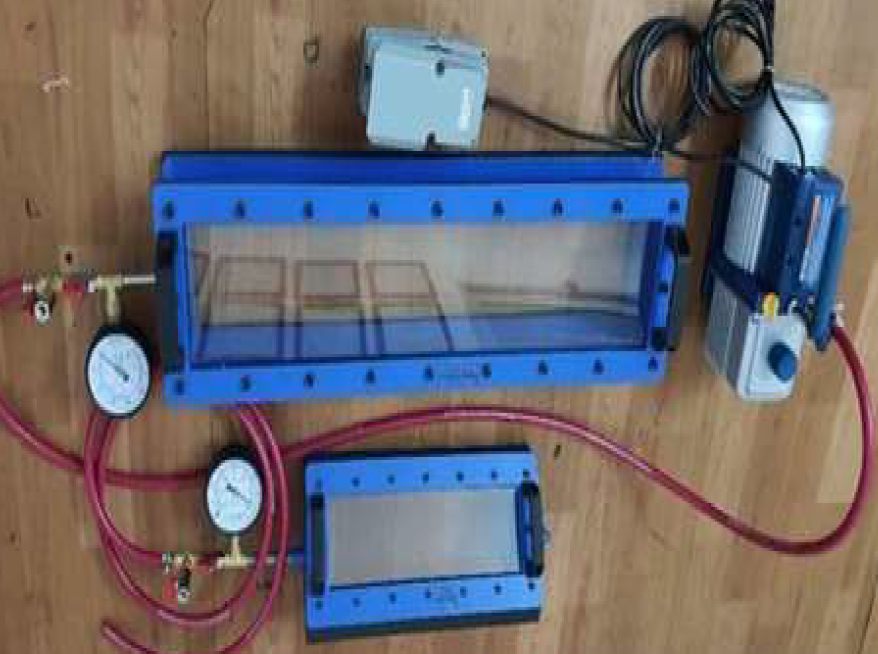
Vacuum box testing is a non-destructive examination used when trying to locate weld seam leaks. A vacuum
box and a compressor create a high or low pressure vacuum while a detergent solution is applied to the test
area. The detergent bubbles, making leaks visible within the created pressure envelope.

Applications

  • Lap welds, butt welds, and shell to annular welds
  • Piping systems and pressure vessels
  • Tank bottoms
  • ERW seamed pipe in pipelines
  • Objects on which a pressure differential can be created across the area to be examined

Advantages

  • Provides an immediate indication visual of the location of any leaks present
  • Can detect small leaks within a given area

Personnel Qualifications

Our inspectors are highly qualified, holding VT and/or LT certification (Level 2) in accordance with the SNT TC 1A certification scheme. This qualification process ensures that our personnel possess the necessary knowledge, skills, and expertise to perform this testing method.

Products

Equipped with following equipment:

  • FLAT BOTTOM VACUUM BOX BUBBLE LEAK TESTING
  • Flat Bottom box for testing butt welds on flat surfaces
  • Operates using compressed air
  • Dimensions: 23.00″ x 8.00″ x 6″
  • INSIDE CORNER VACUUM BOX BUBBLE LEAK TESTING
  • Corner vacuum boxes are specifically designed for testing the inside corner, where the bottom meets the sidewall at 90 degrees.
  • Operates using compressed air.
  • Dimensions : 20″L x 5 1/4″W x 5 1/4″
Infrared Thermography Testing (TT)

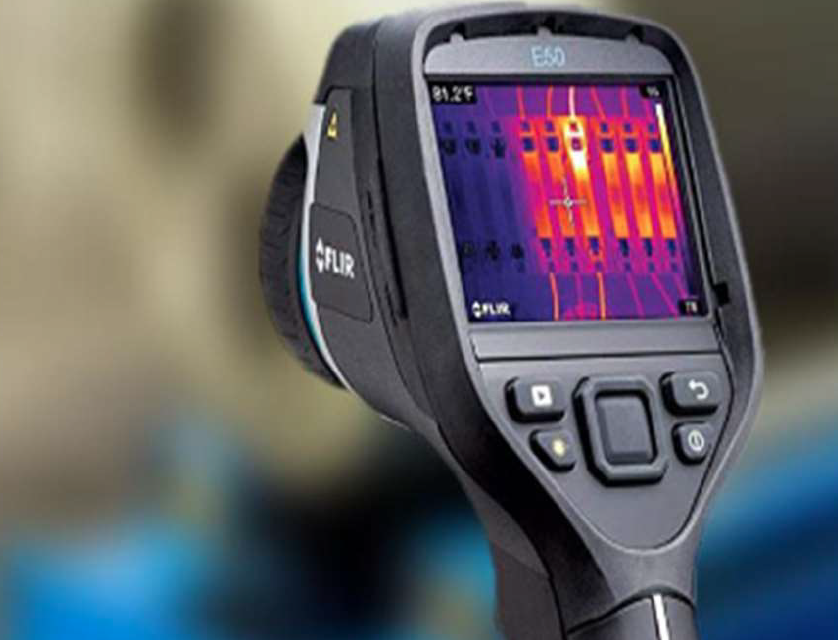
Infrared thermography is a non-destructive testing technique that actually determines the amount of
infrared energy reflected, transmitted, or absorbed by an object This non-contact analysis detects
temperature differences on the surfaces of materials or structures. This rapid approach to financial
management, coupled with well-trained staff and site-specific reporting software, makes it an invaluable
asset for many applications.

Applications

  • Furnace heaters, including both internal and external refractory lined equipment
  • Steam-air decoking monitoring
  • Optical gas imaging (including the ability to detect most volatile organic compounds)
  • Electrical components
  • Tank level and flare inspections

Advantages

  • Rapid and economical
  • Highly reproducible
  • Site specific tailored reports
  • Data is stored for future comparison or audits
  • Rapid results and trending analysis
  • Systems are portable and battery powered
  • Non-intrusive and can quickly locate anomalies
  • Visual representation and real time data on each report

Personnel Qualifications

Our inspectors are highly qualified, holding infrared thermography inspection certification (Level 2) in accordance with the SNT TC 1A certification scheme.
This qualification process ensures that our personnel possess the necessary knowledge, skills, and expertise to perform this testing method.

Products

Equipped with following equipment:

  • HIKMICRO M11W IR camera -20 up to +550 °C 192 x 144
  • Pixel 25 Hz Wi-Fi,
  • Touchscreen 25 Hz Thermal imaging camera
  • Temperature reading range -20 up to +550 °C
  • 192 x 144 Pixel Bolometer matrix
  • Thermal sensitivity 40 mK

Ferrite Test

Ferrite material analysis is a non-destructive test method that provides important information for
austenitic stainless steel and duplex materials. The percentage or amount of delta ferrite allows for
mechanical analysis of material corrosion susceptibility, mechanical properties, application, and operational
reliability.

Applications

  • Austenitic stainless steel/Duplex stainless steels Welds
    (tubing, etc.)
  • Normal construction steel with Austenitic chrome alloy steel welded cladding (Ex. Boilers, vessels, etc.)
  • Weldments, Castings, Forgings, Weld Overlays
  • Weld materials, Butt/fillet welds
  • Stainless weld overlays on non-ferrous interfaces
  • In-service and in-construction components

Advantages

  • Rapid and accurate analysis
  • Highly portable digital technology
  • Variable calibration in both Ferrite Number (FN) and %
  • Ferrite (FN) using AWS Standards
  • Testing instrument meets all requirements of ANSI/AWS
  • A4.2 and DIN EN ISO 8249
  • Calibration is traceable to internationally approved IIW secondary calibration standards

Personnel Qualifications

Our inspectors are highly qualified, holding VT certification (Level 2) in accordance with the SNT TC 1A certification scheme.
This qualification process ensures that our personnel possess the necessary knowledge, skills, and expertise to perform this testing method.

Products

Equipped with following equipment:

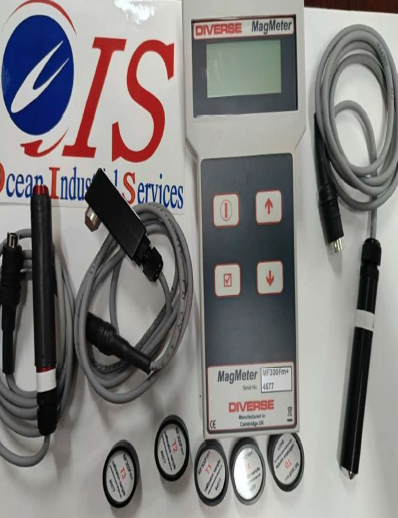
  • SOFRANEL MF300F
  • Digital device allowing the measurement of ferrite content or quantity.
  • Four probe models available (interchangeable up to 5 on one device): standard P10 probe Ø 10 mm suitable for most applications, straight probes for small surfaces P46 and P46R (6 x 4 mm), and P10ac cooled probe for hot measurements.
  • Supplied in a case with a certificate and five calibration shims.

Remote Visual Testing (RVI)

RVI is the inspection of objects or areas generally inaccessible to the eye without disassembling
surrounding structures or machinery. It allows inspectors to find out hidden discontinuities before they will
cause essential issues. poor welding, surface defects, corrosion pits, general condition, degradation,
blockages and foreign materials. RVI gadget penetrates distant places, utilizing small openings and sending
photographs without delay lower back to the observer or to a video reveal.

Application

RVI allows for visual assessment of internal and external
conditions without the need for manual intervention or
shutdowns. This facilitates early detection of corrosion, leaks,
and structural defects, enhancing safety, maintenance
efficiency, and asset integrity management across upstream,
midstream, and downstream operations.

Advantages

eliminates the need for personnel to enter hazardous or
confined spaces, reducing the risk of accidents and exposure
to potentially harmful environments.

Personnel Qualifications

Our inspectors are highly qualified, holding VT certification at
Level 2 in accordance with the SNT TC 1A certification
scheme.
This qualification process ensures that our personnel possess
the necessary knowledge, skills, and expertise to perform
remote field testing

Products

Equipped with following equipment:
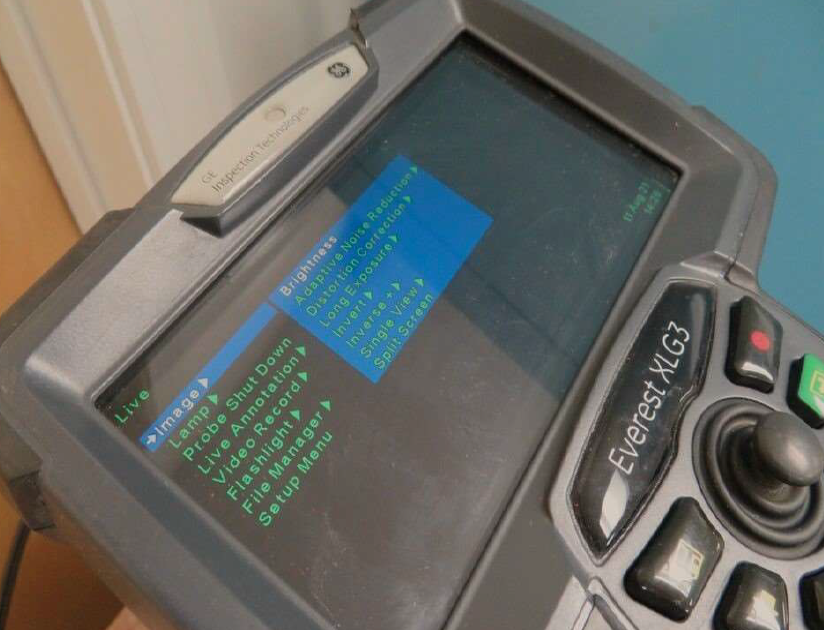
– Everest XLG3TM (GE)
The Everest XLG3TM VideoProbe® system – today’s most
revolutionary remote visual inspection (RVI) tool – provides
significantly improved inspection capabilities to boost
productivity in your operations. With a host of advanced
features, such as QuickChange probes that quickly
reconfigure probe diameter and length and real-time
communications for collaboration during live inspections, the
Everest XLG3 VideoProbe system delivers the versatility you
need for fast, efficient, and accurate decision making.
– Accessories for cleaning and preparing the environment for
inspection.

Portable Hardness Test

Portable Hardness Testing (HT) is a non-destructive testing method utilized to obtain the hardness
value of a material. OIS uses the Hardness Testing Technology to provide clients the information they
require about the materials they are utilizing.

Application

  • Ferrous and non-ferrous metals and alloys, and select nonmetallic
    materials
  • Welds and weld overlays, weld heat affected zones (HAZ’s), castings and forgings, piping, stress relieved material, machined parts, pressure vessels, and structural steel
  • Damaged materials as part of a failure analysis
  • Welds and to verify material compliance to:
  • ASME Section IX / NACE MR0175/ISO 15156 requirements

Advantages

  • Fast results and reporting to the client
  • Field Ready
  • Highly portable tools can be used in most locations

Personnel Qualifications:

Our inspectors are highly qualified, holding VT certification at Level 2 in accordance with the SNT TC 1A certification scheme.
This qualification process ensures that our personnel possess the necessary knowledge, skills, and expertise to perform portable hardness testing.

Products:

Equipped with following equipment:

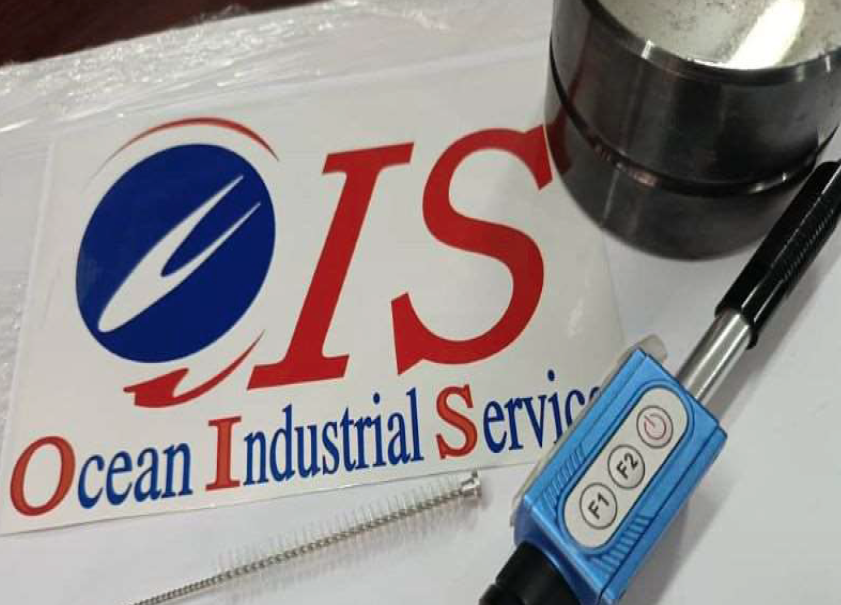
  • MH100 series pocket hardness meters, also known as pentype hardness tester, based on Leeb hardness measuring principle, quick and easy on-site test the hardness of series metal materials, support free conversion between Richter, Brinell, Rockwell hardness scale and others, integrated compact design, small size, portable, highly integrated, stable and reliable performance, supporting data transfer and print the stored function. Widely used in failure analysis of metal processing and manufacturing, special equipment, permanent assembly, inspection and other fields. Particularly suitable for large parts and non-removable part of the site hardness testing.
  • Accessories for cleaning and preparing the surface or piece for inspection, and clean up after carrying out test.

Magnetic Particle Testing (MT)

Magnetic particle inspection (MT) is a non-destructive testing method used to detect surface and slightly subsurface flaws in ferromagnetic materials (such as carbon steel). It is used routinely to inspect welds, piping, pressure vessels and structural steel components.

Application

  • New fabrication welds for code compliance to :
  • ASME Section V for pressure vessels.
  • ASME B31.1 and B31.3 for piping.
  • API 1104 for pipelines.
  • Castings and forgings, valves and their components, machined parts, pressure vessels, cranes and structural steel welds for cracks, non-fusion, cold laps In-service welds.

Advantages

  • Flaws are highly visible, The equipment is:
  • Portable and can be battery powered
  • Light enough to take easily onto scaffolding
  • Non-hazardous to operations or other nearby personnel
  • Very good sensitivity to fatigue cracking, tight fusion, HIC and SCC

Personnel Qualifications

Our inspectors are highly qualified, holding MT certifications at Level 2 in accordance with the SNT TC 1A certification scheme.
This qualification process ensures that our personnel possess the necessary knowledge, skills, and expertise to perform magnetic particle testing.

Products

Equipped with following products:

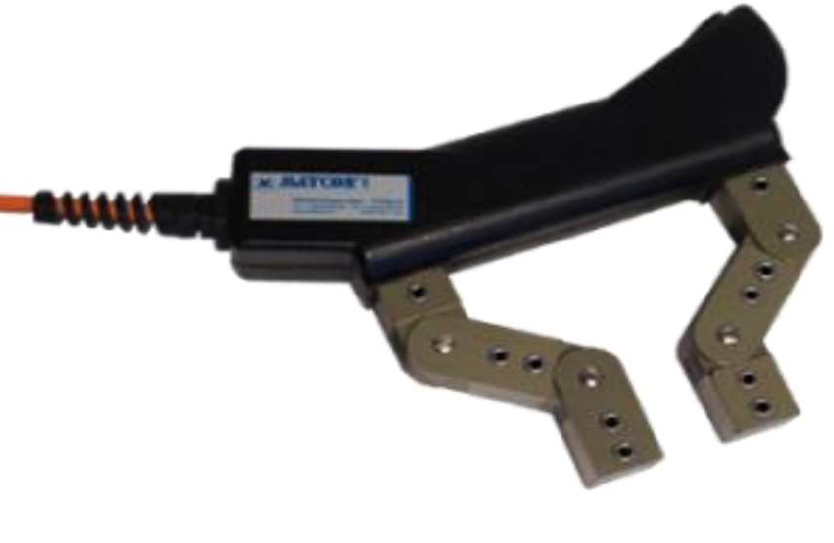
  • AC Magnetic Yoke: MATCON MAT 230
  • Permanent Yoke: The MAG-1 magnet is ideal for the effective magnetization of components for crack detection, particularly where the use of electromagnetic yokes is impractical or prohibited for safety reasons.
  • Srem products: FLUXO 3 (Black magnetic Ink) FLUXO 4 (White contrast paint)
  • Accessories for cleaning and preparing the surface or piece for inspection, and clean up after carrying out test.

Penetrant Testing (PT)

Penetrant Testing (PT) is used to detect casting, forging and welding surface defects such as hairline
cracks, surface porosity, leaks in new products, and fatigue cracks on in-service components.

PT is a nondestructive examination method used to locate surface breaking discontinuities in non-porous materials (metals, plastics, or ceramics). This method may be applied to ferrous and non-ferrous materials.
Penetrant Testing (PT).

Application

  • Welds and weld overlays, castings and forgings, valves and their components, machined parts, pressure vessels, clad vessel linings, and structural steel.
  • New fabrication weld inspection.
  • Code compliant inspection.
  • ASME Section V for pressure vessels.
  • ASME B31.1 and B31.3 for piping.
  • API 1104 for pipelines.
  • In-service welds.
  • Ferrous and non-ferrous components.

Advantages

  • High visibility of indications.
  • Low cost and fast results.
  • Field Ready.
  • Highly portable tools can be used in most locations.
  • Can operate with battery power as well as supplied power when available.

Personnel Qualifications

Our inspectors are highly qualified, holding PT certifications at Level 2 in accordance with the SNT TC 1A certification scheme.
This qualification process ensures that our personnel possess the necessary knowledge, skills, and expertise to perform liquid penetrant testing.

Products

Equipped with following products:

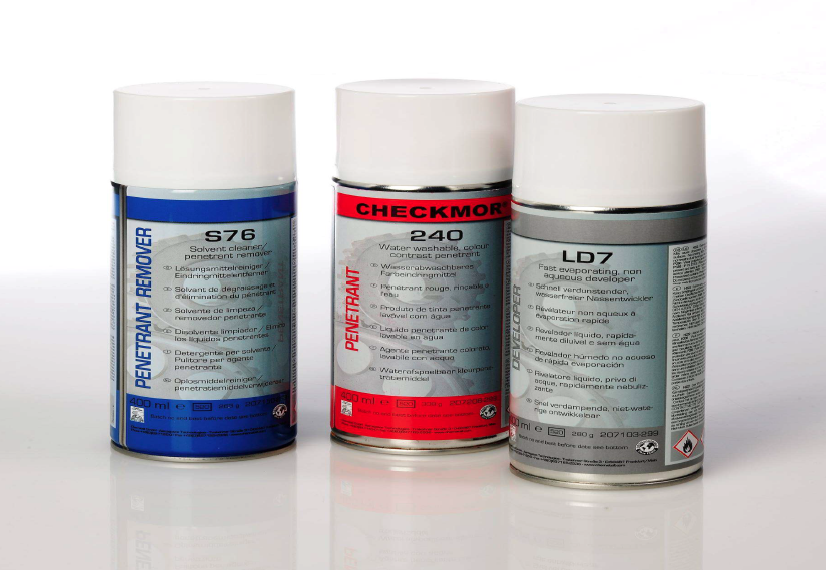
  • Chemetall products: Penetrant (Checkmor 240), Developer (LD7) and Penetrant remover (S76).
  • Srem products: Penetrant (Fluxo P172), Developer (FLUXO R175) and Penetrant remover (FLUXO S190).
  • Accessories for cleaning and preparing the surface or piece for inspection, and clean up after carrying out test.

Positive Material Identification (PMI)

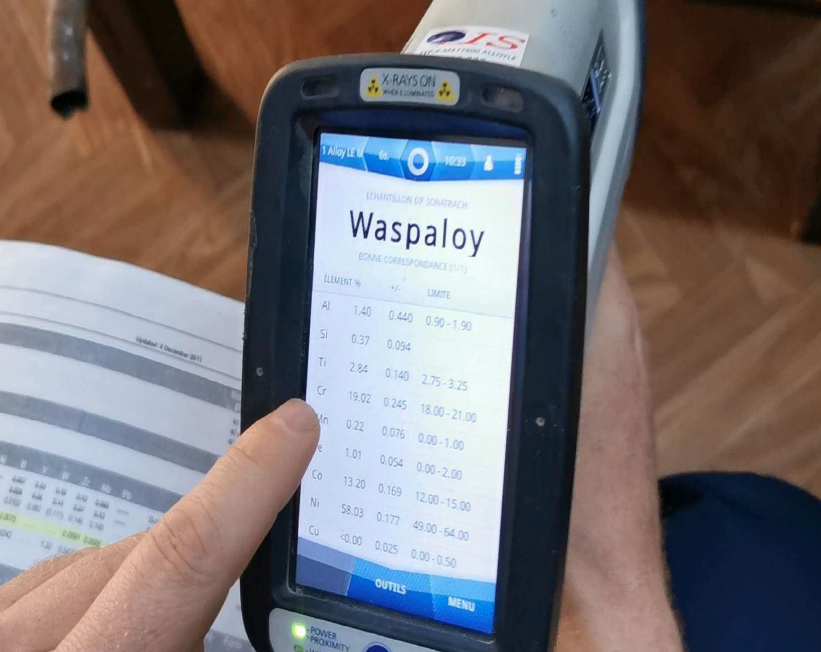
Positive Material Identification (PMI) is the analysis of a metallic alloy to establish composition by
reading the percentage quantities of its constituent elements.

The object of this nondestructive testing method is to identify metal alloys in place using a portable X-Ray fluorescent analyzer that determines the elemental composition of the material.

Positive Material Identification (PMI).

Application

  • To test ferrous and non-ferrous metallic materials, stainless steels, Monels, Inconels, Hastelloys,
  • Aluminum alloys, nickel based alloys, exotic materials.
  • While verifying material compliance in power and petrochemical industries.
  • To inspect valves and valve components, pipe, fittings, machined parts, castings, forgings, bolts and stock items.
  • To inspect welds and weld overlays.
  • To verify compliance of new and in-service pressure vessels, plate material, and structural steel.


Advantages

  • Rapid and accurate analysis.
  • Highly portable digital technology, can be used on site.
  • Certifies components requiring NACE MR0175/ISO 15156.
  • Leaves no trace of testing on test sample.
  • Care must be taken to ensure that the surface of the test specimen is representative of the material as a whole.
  • The instrument must be able to maintain surface contact with the material.


Personnel Qualifications

Our inspectors are qualified, holding certifications at visual inspection Level 2 in accordance with the SNT TC 1A system.

Equipment

  • Equipped with Oxford X-MET5100 Hand-held XRF analyzer.
  • Revolutionary Light Element analysis, no awkward vacuum pumps or helium bottles.
  • Substantially faster analysis and throughput.
  • Low detection limits: ppm level analysis in 10 seconds.
  • Totally non-destructive testing.
  • Traceable Empirical Calibration to certified reference materials.
  • Fast and reliable identification of wide range of grades.
  • Withstand temperatures up to 400ºC / 750ºF
  • Analyze weld beams down to 2 mm with optional weld beam collimator.

Tubing Inspection using ET / RFT / NFT methods

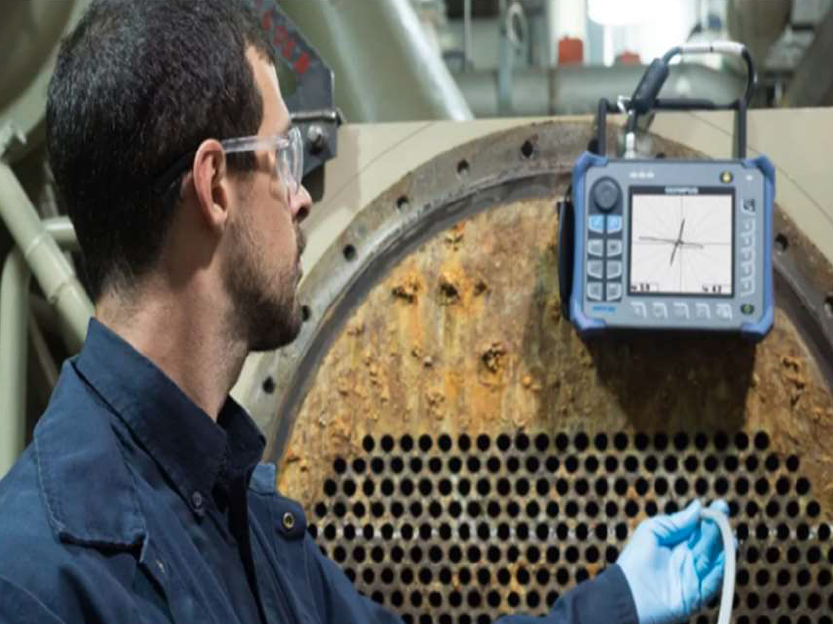
OIS uses ECT (including Remote Field and Near Field technique) to detect pits, corrosion, erosion,
cracking, and others, in carbon steel (RFT) stainless steels, brass, titanium, Inconel, copper, copper-nickel, and other non-ferrous tubes.
The tubes must be free of obstructions. However, the cleaning required is minimal.
Tube inspection (Eddy Current ET – Remote Field RFT – Near field NFT)

Application

  • The tubes within heat exchangers and boilers are subjected to high temperatures, pressures, and corrosive environments, making them susceptible to degradation over time.
  • Eddy Current (ET) inspection is widely employed for the examination of these tubes due to its ability to detect and characterize surface and near-surface defects such as corrosion, erosion, cracking, and wall thinning.


Advantages

  • This technique is fast with up to 1 m/s pulling speed through tubes.
  • Couplants are not needed. Consequently, contaminants are not introduced during the inspection.
  • The technique identifies large and small volume pits.
  • 100% of the surface of the tubes is inspected, with 360º coverage through the length. All the data is stored for review.


Personnel Qualifications:

  • Our inspectors are highly qualified, holding certifications at Level 2 in accordance with the SNT TC 1A system. In Eddy Current ET for Tube inspection.
  • This qualification process ensures that our personnel possess the necessary knowledge, skills, and expertise to perform all eddy current testing (ET / RFT / NFT).


Equipment:

Equipped with following equipment:

  • NORTEC 600D (OLYMPUS)
  • OLYMPUS tube probes for ET/RFT/NFT applications in different tube material, diameters and thickness.
  • Calibration tubes with artificial flaws (notches, SDH, holes…) for different materials, application and thickness.


Magnetic Flux Leakage (MFL)

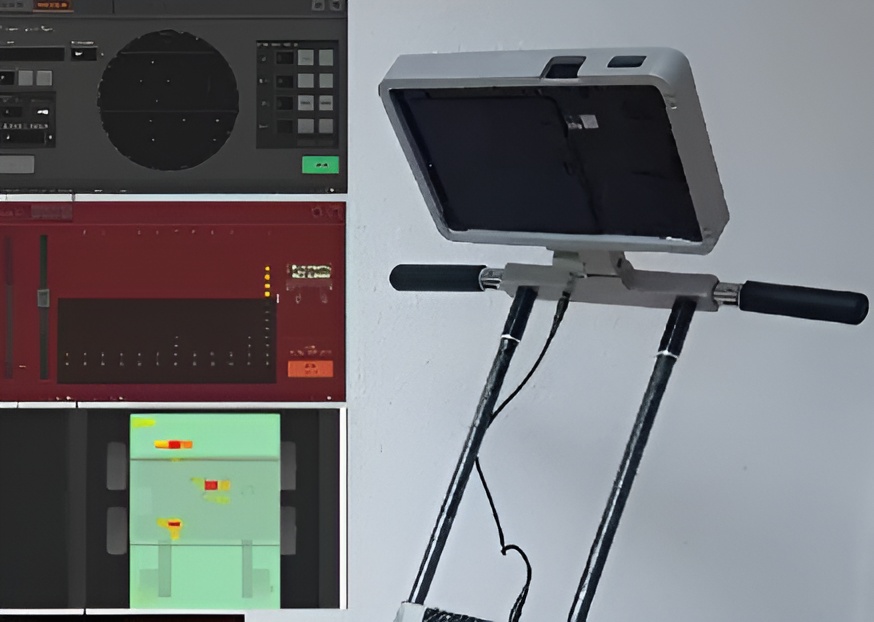
Tank Floor MFL scanning is a non-destructive examination method which uses a magnetic field to detect corrosion and pitting in carbon steel. A powerful magnet is scanned close to the surface to ‘saturate’ the steel with the magnetic field.

Application

  • On storage tank bottoms for all industries: upstream, midstream, petrochemical, refineries.
  • To identify soil and product side metal losses, pitting and general corrosion.

Advantages

  • Fast method for inspecting large areas.
  • Minimal set-up time.
  • Yields reliable and economic qualitative tank floor assessments.
  • High sensitivity: acceptable sensitivity can be obtained through up to 12.5 mm of combined steel and coating thickness.
  • Requires access to only one side of the material.

Personnel Qualifications:

Our MFL inspectors are qualified, holding SILVERWING (Eddyfi) certifications at Level 1 and 2 and MT Level 2 in accordance with the SNT TC 1A system. This qualification process ensures that our personnel possess the necessary knowledge, skills, and expertise to perform MFL testing.

Equipment:

Equipped with following equipment:

  • SILVERWING (EDDYFI) Floormap 3 Di-R (64 channels).
  • SIMS reporting suite, software for data interpretation and reporting results.
  • Calibration plats 4, 6, 8, 10 mm thickness.